

Apple's Mac Mini and Studio Demand Outstrips Supply

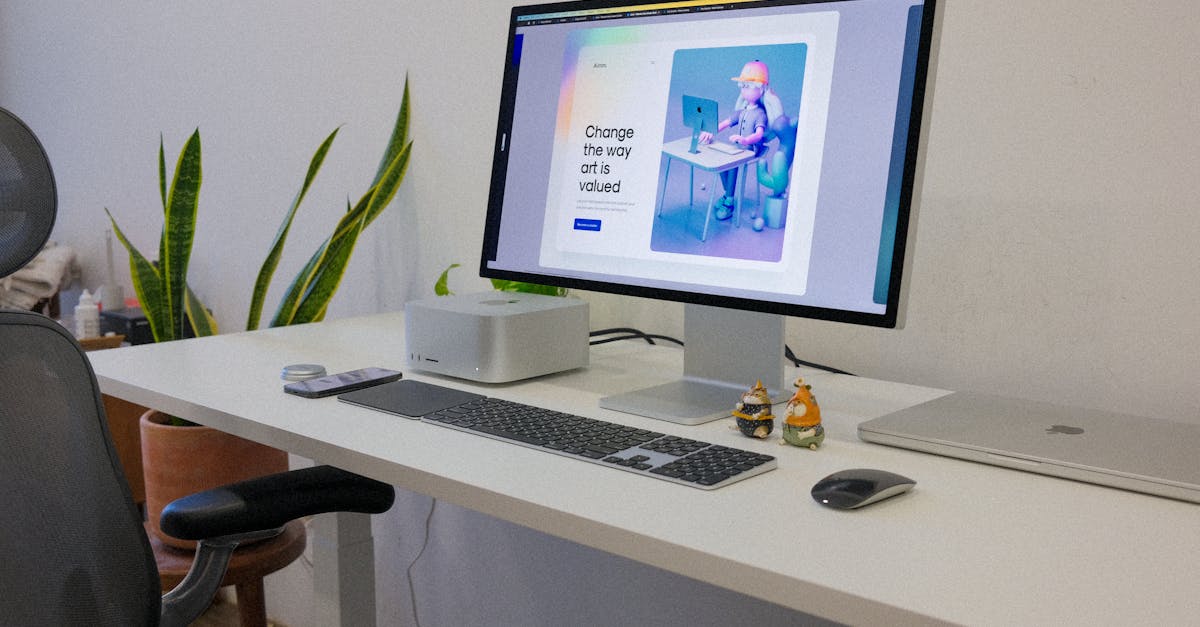
Photo by Tranmautritam on Pexels
Demand for Mac Mini and Studio Outstrips Supply
Apple is struggling to keep up with demand for its Mac mini and Studio products, with customers facing wait times of “several months” for new orders. This shortage is attributed to a combination of chip shortages and unexpectedly high demand from AI enthusiasts.
The Mac mini and Studio are Apple’s compact, powerful desktop computers aimed at professionals and enthusiasts. They have gained popularity among those working with resource-intensive applications, including AI and machine learning. The current demand surge has put pressure on Apple’s supply chain, leading to delays.
Impact on Customers and Apple’s Response
Customers ordering the Mac mini or Studio today are being told they may have to wait several months for their devices. This delay is likely frustrating for those who rely on these products for their work or personal projects. Apple has not provided a specific timeline for when supply will meet demand but is working to address the issue.
Industry Context: Chip Shortages and AI Demand
The global chip shortage has affected many technology companies, including Apple. The shortage, combined with the rising interest in AI and machine learning, has led to increased demand for powerful computing hardware. Apple’s Mac mini and Studio are well-suited for these applications, contributing to their popularity.
The demand for AI and machine learning applications requires significant computational power, which the Mac mini and Studio are capable of providing. This has led to a surge in demand from AI enthusiasts and professionals, further exacerbating the supply chain issues.
History of Mac Mini and Studio
The Mac mini and Studio have been part of Apple’s product lineup for several years, with the Mac mini first introduced in 2005 and the Studio in 2022. Both products have gained popularity among professionals and enthusiasts for their performance, compact design, and affordability compared to other Apple desktop computers.
The Mac mini has undergone several revisions over the years, with improvements in processing power, memory, and storage. The Studio, being a newer product, has also seen updates and improvements since its initial release.
Technical Mechanics: Apple’s Supply Chain
Apple’s supply chain is complex, involving multiple suppliers and manufacturing partners. The company has been working to diversify its supply chain and manage the impact of global chip shortages. However, the current demand for Mac mini and Studio products has put additional pressure on this system.
Apple has been investing in its supply chain, including building new manufacturing facilities and partnering with new suppliers. However, the global chip shortage has presented significant challenges, affecting production and leading to delays.
Downstream Implications
The delays in Mac mini and Studio shipments may have implications for Apple’s customers, particularly those relying on these products for their work or personal projects. The shortage may also impact Apple’s revenue and profitability, as customers may opt for alternative products or delay their purchases.
As Apple works to resolve the supply chain issues, the company’s strategy for managing demand and supply chain challenges will be closely monitored. The next significant update from Apple on this issue will likely come during its quarterly earnings report or a future product announcement event.
What to Watch
As Apple works to resolve the supply chain issues, customers and investors will be watching for updates on when the Mac mini and Studio will be readily available. Additionally, the company’s strategy for managing demand and supply chain challenges will be closely monitored.
The situation highlights the ongoing challenges in the technology industry, including supply chain disruptions and shifting demand. As the industry continues to evolve, companies like Apple will need to adapt and innovate to meet the changing needs of their customers.
Broader Industry Context
The global demand for powerful computing hardware is expected to continue growing, driven by the increasing adoption of AI and machine learning applications. This trend is likely to benefit companies that specialize in high-performance computing, such as Apple, NVIDIA, and AMD.
However, the industry also faces challenges, including the ongoing global chip shortage and increasing competition. Companies will need to invest in research and development, as well as supply chain management, to remain competitive and meet the evolving needs of their customers.
The chip shortage affecting Apple’s Mac mini and Studio production is part of a larger issue impacting the technology industry. Many companies are struggling to secure necessary components, leading to delays and increased costs.
In response to these challenges, Apple and other tech companies are exploring strategies to mitigate the impact of chip shortages. These efforts may include diversifying supply chains, investing in new manufacturing technologies, and developing more efficient production processes.
Detailed Analysis of Demand Surge
The surge in demand for Mac mini and Studio products can be attributed to their suitability for AI and machine learning applications. These products offer the high-performance computing capabilities required for these resource-intensive tasks.
The increasing interest in AI and machine learning has led to a growing need for powerful computing hardware. Apple’s Mac mini and Studio are well-positioned to meet this demand, with their advanced processors and high-performance capabilities.
Supply Chain Strategies
Apple’s efforts to manage its supply chain and mitigate the impact of chip shortages are ongoing. The company is working to diversify its supply chain, invest in new manufacturing technologies, and develop more efficient production processes.
These strategies aim to reduce Apple’s reliance on specific suppliers and improve its ability to secure necessary components. By investing in its supply chain, Apple can better manage the risks associated with global chip shortages and ensure a more stable supply of its products.
Impact on AI and Machine Learning Adoption
The delays in Mac mini and Studio shipments may have implications for the adoption of AI and machine learning applications. These products are critical tools for many professionals and enthusiasts working in these fields.
The shortage of these products may slow the adoption of AI and machine learning applications, as individuals and organizations may be forced to delay their projects or seek alternative solutions. This highlights the importance of Apple’s efforts to resolve the supply chain issues and meet the growing demand for its products.
Future Outlook
As the technology industry continues to evolve, companies like Apple will need to adapt and innovate to meet the changing needs of their customers. The ongoing challenges in the industry, including supply chain disruptions and shifting demand, will require companies to be agile and responsive.
Apple’s strategy for managing demand and supply chain challenges will be closely monitored, as the company works to resolve the current issues and position itself for future success. The next significant update from Apple on this issue will likely come during its quarterly earnings report or a future product announcement event.
The situation highlights the complexities of the technology industry and the need for companies to be proactive in managing their supply chains and meeting the evolving needs of their customers.
Updates
- 2026-05-27 — Startup Battlefield 200 applications close today: Nominate a founder or submit your startup (source)
Related Articles
Apple makes a change to its AI team and plans Siri upgrades
Apple makes executive change to boost AI efforts, Siri functionality to get major overhaul

Apple's Siri Overhaul and White House AI Shake-up
Apple revamps Siri and Apple Intelligence at WWDC 2026 as a key White House AI advisor departs and indie tools emerge.

Apple WWDC 2026: Siri Revamp and AI Updates
Apple's WWDC 2026 is expected to bring significant updates to Siri and Apple Intelligence.