

Saudi Leisure Boom, DIY RF Labs, and a Grindr White House Bash

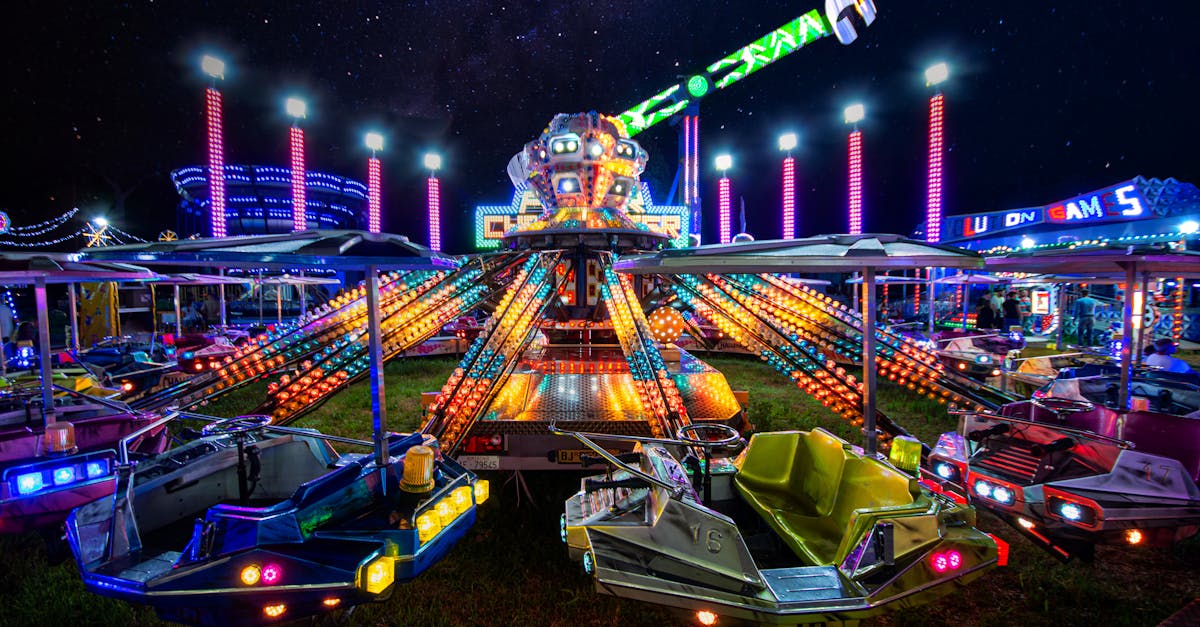
Photo by Paolo Motti on Pexels
Saudi Arabia bets big on out‑of‑home fun
The public‑sector capital push has turned the kingdom into a fast‑growing playground. A market‑size forecast puts the Saudi entertainment and amusement sector at USD 5.36 billion by 2031, driven by a 12.4% CAGR from 2026 onward.
The numbers come from a February 9, 2026 Globe Newswire release that tallied over SAR 50 billion (USD 13.33 billion) invested in leisure infrastructure between 2024 and 2025. Projects such as the Qiddiya mega‑theme park and NEOM’s mixed‑reality zones sit behind the spending surge. Family‑oriented centers now account for 36.02% of the market and are expected to anchor steady foot traffic, while mixed‑reality and VR arcades, still under 5% of share, are projected to grow at 18.5% CAGR through 2031.
The report also flags a 17% year‑on‑year rise in domestic leisure travel during the summer 2025 “Saudi Summer” campaign. Bundled hotel‑and‑attraction passes, airline discounts, and ride‑hailing deals have lowered the barrier for middle‑income families. The Ministry of Tourism’s data shows longer stays and higher per‑capita spend, a shift that eases the sector’s historic reliance on pilgrimage peaks.
Seasonality remains a challenge. Hajj and Umrah weeks still dominate visitor counts, while midsummer weeks see a dip that forces operators to time ride debuts and offer discounted seasonal passes. The report notes that operating costs stay high outside peak periods, so dynamic pricing and weekday ticket incentives are becoming standard practice.
DIY RF labs meet commercial ambition
While Saudi megaprojects dominate headlines, the grassroots hardware scene is quietly laying the technical groundwork for the next wave of immersive attractions. A Hacker News post by the user Nuclearrambo details a custom RF spectrum analyzer built on an FPGA that can process signals up to 100 MHz in real‑time using a high‑speed ADC and FFT.
The same author describes a software‑defined radio transceiver that covers amateur bands, offers multiple modulation modes, and runs on a bespoke control interface. A third project is a real‑time embedded control system for industrial use, featuring sensor I/O, communication protocols, and safety monitoring. These open‑source builds illustrate how low‑cost, high‑performance RF hardware can be assembled without corporate R&D budgets.
For Saudi developers, the relevance is direct. Mixed‑reality zones in NEOM will need precise RF coordination for wireless tracking, low‑latency streaming, and sensor fusion. Hobbyist designs like the FPGA analyzer provide a template for rapid prototyping, potentially shortening the development cycle for ride control systems and AR overlays. The open‑source ethos also aligns with the kingdom’s push to attract global partners who can license ride tech without inflating costs.
Grindr throws a White House party, and Nike throws discounts
On April 24, 2026, Grindr Inc. staged a White House Correspondents’ Dinner Weekend Party at LXIV DC in Washington, DC. Photographs by Tasos Katopodis captured a “general atmosphere” that blended political satire with the app’s LGBTQ+ brand identity. The event, described by The Verge as “Nerd Prom,” underscored how dating platforms are leveraging high‑visibility venues to cement cultural relevance.
The same week, Nike released a 15% off promotion on select purchases for the month, according to a WIRED deal roundup. The discount, while modest, shows how legacy apparel brands continue to rely on short‑term price incentives to drive traffic amid a crowded e‑commerce landscape.
Both moments illustrate a broader friction: tech‑centric experiences are increasingly intertwined with traditional retail tactics. Grindr’s party leveraged a physical venue to amplify its digital community, while Nike’s coupon code nudges shoppers toward a brand that now competes with subscription‑based fitness platforms. The juxtaposition highlights how companies must balance spectacle with substance to retain user attention.
What to watch next
The Saudi entertainment sector will release its first quarterly performance data for Qiddiya and NEOM in late 2026; those figures will reveal whether the dynamic‑pricing models are delivering the off‑peak revenue the forecast assumes. In the hardware world, watch for any open‑source RF designs that gain traction in commercial mixed‑reality deployments—especially if a partner announces a joint venture with a Saudi leisure operator. Finally, track Grindr’s next high‑profile event calendar and Nike’s promotional cadence; together they will indicate whether brand‑driven experiences can sustain user engagement without inflating acquisition costs.
Updates
- 2026-08-20 — Astropad Workbench 1.3 adds faster streaming, privacy curtain, and more (source)
- 2026-05-30 — NASA readies the X-59 for its first supersonic flight, SpaceX’s Starship grounded and more science stories (source)
- 2026-05-30 — Sometimes, a short game hits the spot (source)
- 2026-05-08 — Friday’s best Android app deals and freebies: Seoul Exorcist, WindWings, Farm Invasion, more (source)
- 2026-05-04 — Deals: Entry M5 MacBook Air all-time low, AirPods Max 2, M3 iPad Air $300 off, Magic Mouse Amazon low, more (source)
Related Articles

Tech Disruptions: Bluesky Outages and Netflix Innovations
Bluesky suffers DDoS attack, Netflix unveils AI-driven features
Disrupt discount, Gemini breach, and new hardware raise stakes
Ticket discounts for TechCrunch Disrupt end soon, Google’s Gemini AI breach surfaces, and new hardware from Asus and Motorola arrive, highlighting industry tension.
Apple adds $5 monthly fee for iPhone Handoff on T‑Mobile
Apple bundles iPhone Handoff with iOS 27 but charges T‑Mobile users $5 a month, sparking debate over continuity costs and carrier lock‑in.