

Uber Takes a Page from Airbnb with Hotel Bookings

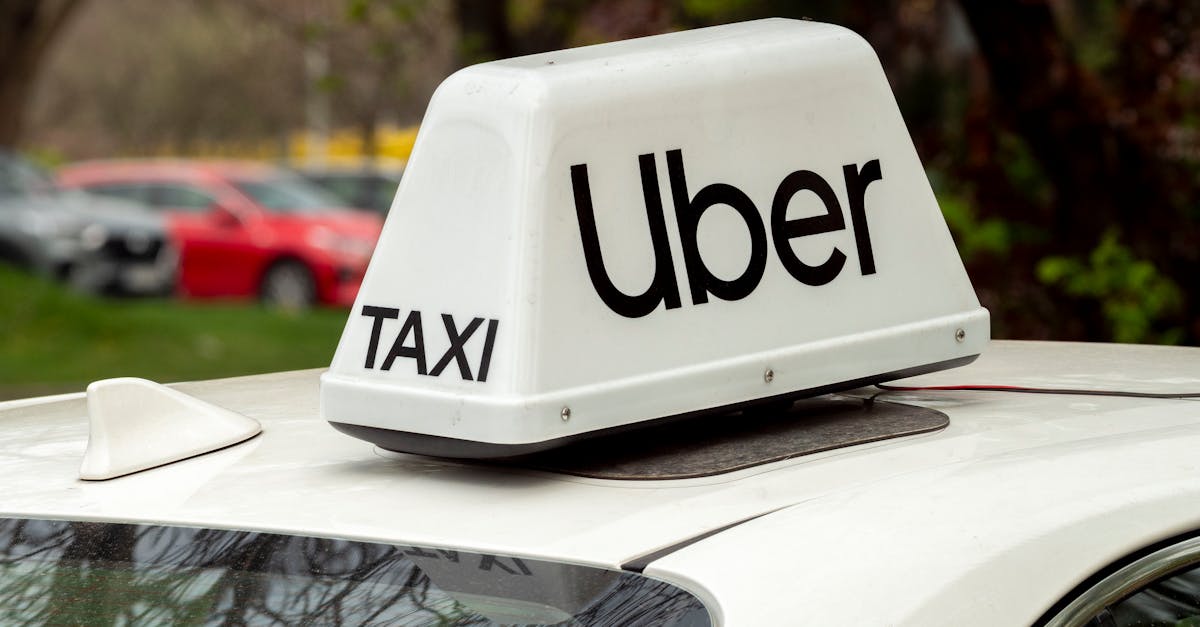
A New Direction for Uber
Uber’s latest move into the hotel business is a bold one. The company, known for its ride-hailing services, is now allowing users to book hotels through its app. This new feature, powered in part by AI, is a significant expansion of Uber’s capabilities and marks a departure from its core business.
The company’s decision to enter the hotel market is likely driven by a desire to increase user engagement and loyalty. By offering a broader range of services, Uber aims to become a one-stop-shop for travelers. The move also puts Uber in direct competition with established players in the hotel industry.
How it Works
Uber’s hotel booking feature allows users to search for and book hotels directly within the app. The company has partnered with various hotel chains and online travel agencies to offer a wide range of options. Users can filter results by price, location, and rating, making it easy to find a suitable hotel.
The integration of AI into the booking process is also noteworthy. Uber’s algorithms can provide personalized recommendations based on a user’s preferences and search history. This could lead to a more streamlined and efficient booking experience.
The Competitive Landscape
Uber’s entry into the hotel market is not without its challenges. The company faces stiff competition from established players like Booking.com, Expedia, and Airbnb. These companies have a strong brand presence and a large customer base.
However, Uber’s massive user base and reputation for convenience could give it an edge. The company’s ability to leverage data from its ride-hailing services could also provide valuable insights into user behavior and preferences.
What’s Next
As Uber continues to expand its services, it’s likely that we’ll see more integration with other travel-related offerings. The company may also explore new revenue streams, such as package tours or travel insurance.
For now, Uber’s hotel booking feature is a significant development in the company’s evolution. It will be interesting to see how users respond to this new offering and how the company continues to innovate in the travel space.
A History of Expansion
Uber’s move into the hotel market is not an isolated incident. The company has been expanding its services for years, often with mixed results. In 2014, Uber launched its UberPool service, which allowed users to share rides with strangers. The service was a hit, but it also raised concerns about safety and liability.
In 2015, Uber expanded into the bike-sharing market with its acquisition of Jump Bikes. The service has been successful, but it’s also faced regulatory challenges.
Uber’s expansion into new markets has not always been smooth. The company has faced resistance from regulators and competitors, particularly in cities like London and Paris.
The Future of Travel
Uber’s entry into the hotel market is a sign of the changing landscape of travel. The company’s focus on convenience and user experience could disrupt traditional business models and create new opportunities for innovation.
As the travel industry continues to evolve, it’s likely that we’ll see more companies like Uber experimenting with new services and business models. The question is, what will the future of travel look like, and how will companies like Uber shape it?
What to Watch
The next thing to watch is how users respond to Uber’s hotel booking feature. Will it be a hit, or will users stick with established travel booking platforms? Also, keep an eye on how regulators respond to Uber’s expansion into new markets. The company’s aggressive growth strategy has raised concerns about safety, liability, and competition.
In the near term, Uber’s goal is to become a major player in the travel industry. With its massive user base and reputation for convenience, the company has a strong foundation to build on. However, it will need to navigate complex regulatory environments and compete with established players to succeed.
The Broader Industry Context
The hotel booking market is a significant sector within the travel industry. According to recent reports, the global hotel market is projected to reach $1.4 trillion by 2025. Online travel agencies, such as Booking.com and Expedia, have dominated the market, but Uber’s entry could shake things up.
Uber’s move into hotel bookings also reflects a larger trend in the travel industry: the increasing importance of convenience and user experience. Travelers are looking for seamless and personalized experiences, and companies like Uber are responding by offering a range of services.
Downstream Implications
Uber’s hotel booking feature could have significant implications for the travel industry. For one, it could lead to increased competition among online travel agencies and hotel booking platforms. This competition could drive innovation and better services for travelers.
However, Uber’s entry into the hotel market could also lead to new challenges. For example, the company will need to navigate complex regulatory environments and ensure that its platform is secure and reliable.
Technical Mechanics
Uber’s hotel booking feature is powered by AI, which enables personalized recommendations and a streamlined booking experience. The company’s algorithms can analyze user data and provide tailored suggestions for hotels and other travel services.
The integration of AI into the booking process also reflects a larger trend in the travel industry: the increasing use of technology to enhance the travel experience. From mobile check-in to personalized travel recommendations, technology is playing a bigger role in shaping the way we travel.
Regulatory Environment
Uber’s expansion into new markets has not always been smooth. The company has faced resistance from regulators and competitors, particularly in cities like London and Paris.
As Uber continues to grow and expand its services, it’s likely that it will face increased regulatory scrutiny. The company’s hotel booking feature could raise concerns about safety, liability, and competition, and Uber will need to navigate these challenges to succeed.
Updates
- 2026-09-10 — AI agents are flooding public services with new requests (source)
- 2026-09-06 — TechCrunch Mobility: Tesla Cybercab hits the road — and a snag (source)
- 2026-05-14 — Your iPhone Gets Stolen. Then the Hacking Begins (source)
- 2026-04-30 — Samsung says the RAM shortage could get even worse next year (source)
Related Articles

Uber and Pony.ai Expand to Europe with 2,000 Robotaxis
Uber and Pony.ai launch 2,000 robotaxis in Europe


Booking.com Warns Customers of Possible Data and Security Breach
Booking.com has alerted some customers to a potential data breach, where unauthorized parties may have accessed personal information, including names, emails, and addresses.