

TikTok’s DIY Cyberdecks Spark Debate on AI and Control

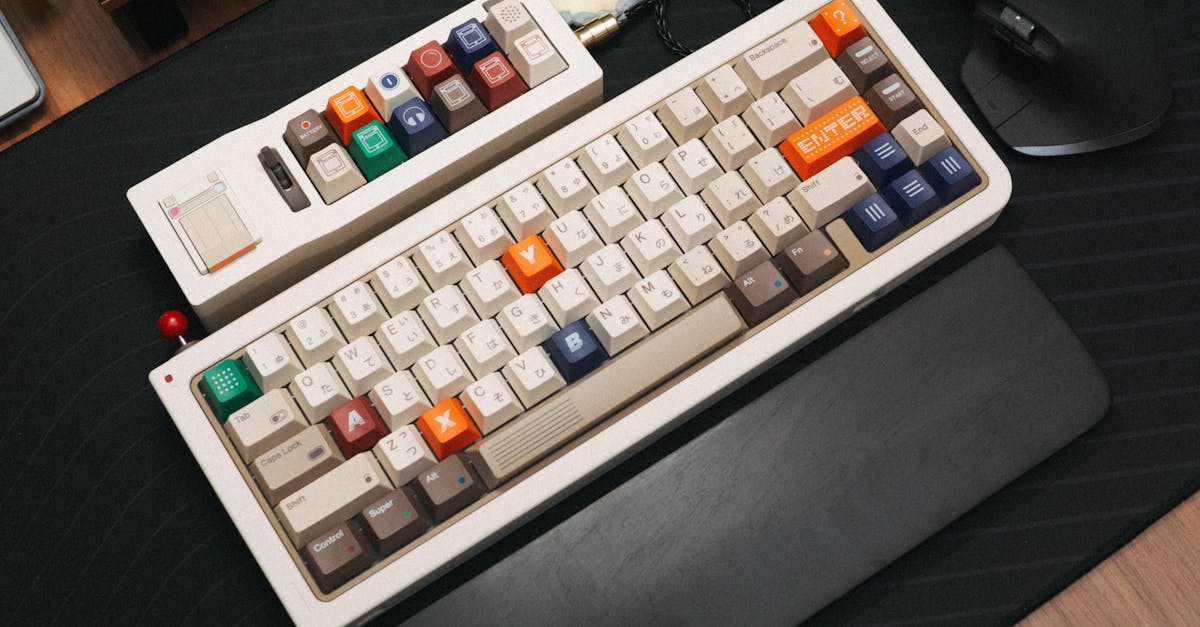
Photo by FOX ^.ᆽ.^= ∫ on Pexels
The surge of handcrafted purse computers on TikTok shows makers reclaiming control over their digital lives. These cyberdecks, built by young women and posted on the platform, are functional computers that fit inside a handbag and offer a tactile experience of computing.
At the same time, AI-powered accessories like SpeakON are gaining attention. The device attaches magnetically to the iPhone’s rear, listens to speech, and refines transcription according to user-defined preferences. According to recent testing, SpeakON improves accuracy for technical jargon.
The cyberdeck trend is a statement about control and transparency in computing. By building their own hardware, creators can understand and modify their devices without relying on proprietary firmware. This movement echoes the home-brew computer clubs of the 1970s, where enthusiasts built machines from kits and shared schematics.
The cyberdeck has been dubbed ‘the hottest anti-AI gadget’ by some, highlighting a growing interest in hardware that values transparency over convenience. Meanwhile, AI accessories like SpeakON represent a different approach, one that leverages AI to enhance productivity.
Apple’s rumored MacBook Ultra adds another layer to the discussion. If the rumor holds, the Ultra could become the default platform for developers who need sustained performance. However, this may also mean a more closed system that relies heavily on Apple’s own silicon and software stack.
The Rise of DIY Computing
The DIY computing movement is not new, but its resurgence on TikTok and other social media platforms is notable. The platform’s short-form video format allows creators to showcase their projects in a concise and engaging way. The cyberdeck trend is also a testament to the creativity and resourcefulness of young makers.
A Brief History of DIY Computing
The home-brew computer clubs of the 1970s laid the groundwork for the modern DIY computing movement. Enthusiasts built machines from kits and shared schematics, fostering a sense of community and collaboration. The cyberdeck trend is a nod to this history, with creators building and sharing their own custom computers.
Technical Mechanics
The cyberdecks built by TikTok creators are often based on open-source hardware and software. This allows them to customize and modify their devices to suit their needs. The use of open-source components also enables creators to understand and learn from the inner workings of their devices.
Industry Context: Competing Trends in AI and Hardware
The rise of DIY computing and AI-powered accessories like SpeakON is part of a larger trend in the tech industry. Companies like Google and Amazon are pushing for more integrated, AI-powered experiences, while others like Apple are focusing on high-performance hardware for developers. The market for AI-powered accessories is growing, with estimates suggesting it will reach $1.4 billion by 2025.
Downstream Implications
The implications of the cyberdeck trend and AI-powered accessories like SpeakON are far-reaching. As more people take control of their digital lives, companies may need to adapt to changing consumer demands. The MacBook Ultra, if it becomes a reality, could be a response to this trend, offering a high-performance platform for developers. However, this may also lead to a more closed system, limiting the flexibility and customization that DIY computing offers.
What to Watch
Keep an eye on the next batch of TikTok cyberdeck videos for signs of commercialization. Follow SpeakON’s firmware updates for any shift toward on-device model training. Finally, track Apple’s product announcements for confirmation of the MacBook Ultra name and its spec sheet. The intersection of DIY computing and AI-powered accessories will likely continue to evolve, with new innovations and challenges emerging in the coming months.
The conversation around DIY computing and AI-powered accessories is just beginning. As the tech industry continues to evolve, it’s clear that the demand for transparency, control, and customization will only grow. Whether through cyberdecks or AI-powered accessories, makers and developers are pushing the boundaries of what’s possible in computing.
Updates
Related Articles

Googlebook challenges Apple’s retail play as Mac Studio prices
Google’s $899 AI‑native laptop and Apple’s store‑first philosophy clash amid rising component costs and AI‑driven hardware bets.

Xiaomi MiMo 2.6, Grok 4.7, and a Wave of Mid‑Month Tech Setbacks
A roundup of Xiaomi's MiMo 2.6 launch, x.ai's Grok 4.7 update, NASA's Mars Sample Return cancellation, and other mid‑September tech headlines.
Apple's rapid RC rollout pressures macOS developers
Apple released second release candidates for macOS Tahoe and Sequoia, while beta streams for Golden Gate and iOS 27.2 accelerate, sparking developer strain and highlighting ecosystem frictions.