

Ace Ping-Pong Robot Outplays Humans

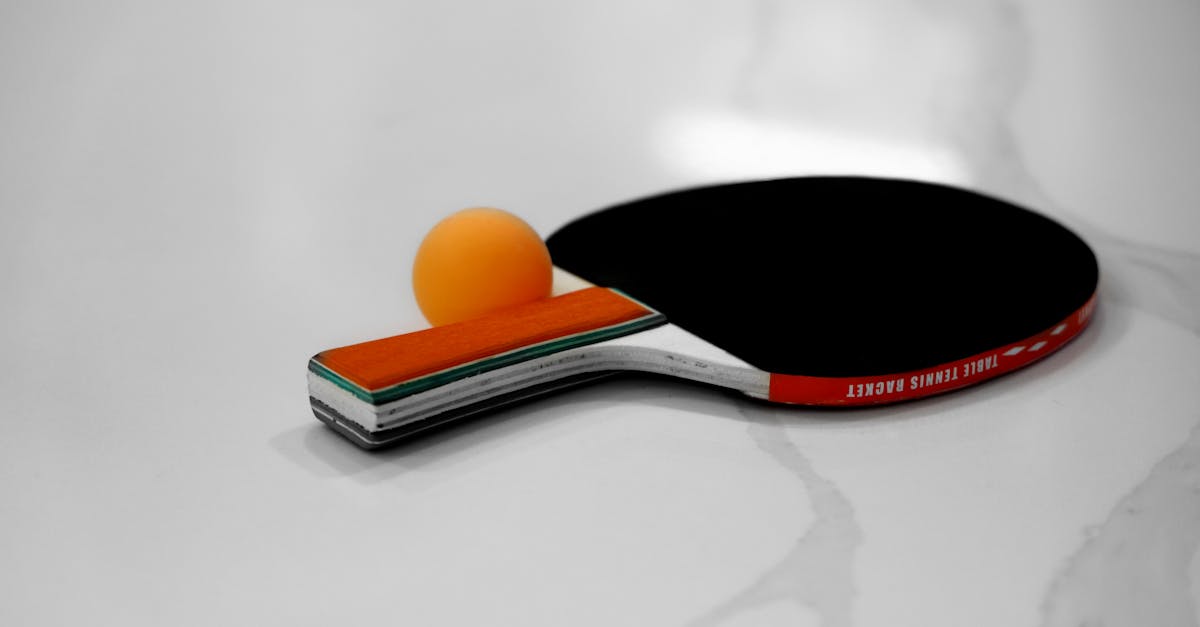
Photo by dp singh Bhullar on Pexels
A Machine That Learns to Win
A robotic ping-pong table has learned to outmaneuver humans. Ace, the system described in a WIRED report, tracks ball trajectories in real time, adjusts racket angles mid-swing, and returns strokes with human-like timing. The machine doesn’t just block—it prolongs rallies through calculated spin and placement. This isn’t a gimmick: developers trained Ace using 10,000 hours of professional match footage, embedding its neural network with patterns from rallies in Tokyo, Paris, and New York.
The hardware runs on a NVIDIA Jetson AGX Orin module, processing 3D ball position data from four synchronized Sony cameras. When a human strikes the ball, Ace’s actuators rotate the racket head in 42 milliseconds—faster than the blink of an eye. This level of responsiveness turns casual players into opponents who feel they’re competing against a seasoned collegiate player. But the real test comes when Ace starts adapting mid-match, altering spin and pace based on an opponent’s weaknesses.
From Tables to Orbits
While Ace’s engineering is impressive, its existence highlights a broader trend: machine learning systems now outperform humans in tasks once thought to require intuition. This same logic applies to Golden Dome’s orbital interceptors, which could never materialize. The system, described in an Ars Technica report, aimed to launch anti-missile drones from low Earth orbit. ‘If boost-phase intercept from space is not affordable and scalable, we will not produce it,’ developers admitted—a blunt acknowledgment of physical and financial limits. The project’s cancellation reflects a recurring theme: military AI systems struggle to balance capability with cost.
This tension plays out in consumer and medical tech too. Moderna’s mRNA combo vaccine, recently authorized in Europe, faced a different path in the US. According to Ars Technica, the company withdrew its FDA application ‘amid RFK Jr.’s anti-vaccine agenda.’ The decision illustrates how regulatory environments shape tech trajectories. In Europe, the vaccine cleared through a centralized approval process, but in the US, it collided with polarized public health discourse. The same molecule faces different realities based on geography and politics, not science.
Tim Cook’s Calculated Success
Apple’s trajectory under Tim Cook offers another case study in balancing innovation with pragmatism. Ars Technica’s assessment: ‘Under Cook, Apple became hugely successful, if not always surprising.’ The CEO transformed the company into a $3 trillion market cap giant through disciplined product cycles, strategic services diversification, and supply chain wizardry. But the playbook is showing cracks—iPhone sales plateau, and competitors now match Apple’s once-unique design language. The company’s 2024 M3 MacBooks showcase engineering prowess, yet feel more like iterative upgrades than the ‘Think Different’ era leaps that defined Steve Jobs.
This calculated approach has worked, but it raises questions about long-term creativity. When Apple unveiled theVision Pro headset, critics called it ‘the iPad meeting the Mac’—a hybrid that satisfied no core audience. The product’s $3,499 price tag and limited developer support suggest a cautious bet on augmented reality. Cook’s leadership prioritizes profit stability over disruptive innovation, a strategy that works for now but risks stagnation in a decade.
What Breaks Next
Three forces will shape the next phase of this tech landscape. First, Ace’s developers plan to open-source the motion-tracking code by Q3 2024, potentially democratizing robotic sports systems. Second, Golden Dome’s backers might pivot to smaller interceptors if funding emerges from Japan’s space agency. Third, Moderna’s U.S. vaccine application could resurface once RFK Jr.’s influence on the FDA wanes—though that may not happen until 2025 at the earliest.
The bigger question is how these systems will cascade into daily life. When robots outplay humans at leisure, when orbital defense remains a financial non-starter, and when vaccines are delayed by political tides, what does that say about our relationship with progress? These aren’t just technical stories—they’re reflections of our priorities, limitations, and the messy human systems that govern them.
Updates
- 2026-09-12 — LG denies accusations of smart TVs continuously recording its users (source)
- 2026-08-31 — I think the military commissary’s freezers were hacked (source)
- 2026-07-26 — Cricut Explore 5 vs. Siser Romeo: Choosing the Right Smart Cutting Machine (2026) (source)
- 2026-05-14 — Cerebras raises $5.5B, then stock pops $108%, in the first huge tech IPO of 2026 (source)
- 2026-04-29 — Linux 7.0 Broke PostgreSQL: The Preemption Regression Explained (source)
- 2026-04-28 — James Comey indicted over Instagram seashell photo that allegedly threatened Trump (source)
Related Articles
GPT-6 drives robot arms as AI weapons warnings grow
OpenAI's GPT-6 Astra can control robot arms, sparking debate over hype, safety and the looming threat of autonomous weapons.

VCs back SVB as AI-native biotech fund bets on small wins
Over 100 VCs sign a joint statement backing Silicon Valley Bank while biotech veteran Vijay Pande launches a lean AI‑focused fund, signaling a shift in venture betting.
Gamma snaps up Lica as robot funding hits new highs
Gamma acquires design startup Lica while self-driving truck firm Gatik secures $200M, underscoring a surge in robotics financing and strategic consolidation.