

Adobe Unleashes Firefly AI Assistant: The Future of Creative Workflows

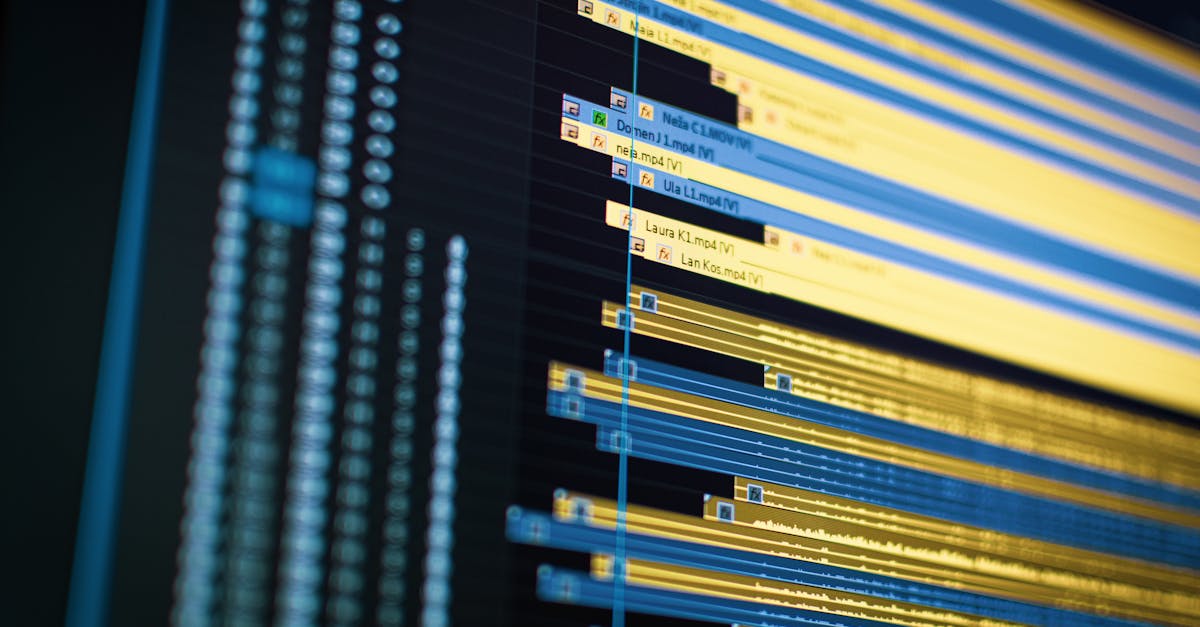
Photo by Vito Goričan on Pexels
Adobe is making a monumental strategic shift, deeply integrating artificial intelligence into the very fabric of its Creative Cloud suite with the introduction of the Firefly AI Assistant. This isn’t merely another feature; it’s a fundamental reimagining of how creators will interact with powerful, professional-grade software.
At its core, the Firefly AI Assistant acts as a sophisticated, prompt-based orchestrator, akin to a ChatGPT for creative tasks. Users can now simply describe the desired outcome – be it a polished social media campaign, a video edit, or a detailed illustration – and the assistant will intelligently execute “complex multi-step workflows” across Photoshop, Premiere, Lightroom, Illustrator, and other core applications. This innovative approach aims to dismantle the traditional “barrier to entry” for users who possess a creative vision but may lack the intricate technical skills often required by Adobe’s robust applications. The paradigm shifts from meticulously mapping processes to simply stating the desired end result.
Crucially, Adobe emphasizes that despite the assistant handling the heavy lifting, the user remains firmly “in the loop.” This means creators retain full control, able to guide direction, adjust outputs, and inject their unique style at any point. The final outputs also maintain Adobe’s native file formats, ensuring complete editability long after the AI has done its initial work.
Firefly AI Assistant introduces “Creative Skills,” pre-built multi-step workflows that users can customize to their working style. Imagine directing the assistant to generate “social media assets,” then effortlessly adjusting crops or using Generative Extend to fit specific platform requirements like Instagram or Facebook. Its context-aware capabilities are equally impressive, demonstrated by the ability to adjust environmental elements, such as increasing or reducing foliage in a product photo, with a simple slider rather than complex manual edits. For collaborative efforts, the assistant can streamline feedback and sharing via Adobe’s Frame.io.
This move positions Firefly AI Assistant as Adobe’s definitive answer to the narrative that generalized generative AI applications might “eat software” like Photoshop. By grounding the assistant in its pro-grade creative tools, Adobe promises “precise, context-aware results” that standalone AI agents can’t match, with the added benefit of learning a user’s unique style over time. The public beta is slated to arrive in the coming weeks, signaling a new era of empowered creativity within the Adobe ecosystem, which already integrates models like Kling 3.0, Veo 3.1, and Runway Gen-4.5, among others.
Updates
- 2026-09-17 — DJI’s new SDR Transmission II beams 4K 60 fps HDR video up to 2.5 miles (source)
- 2026-09-11 — This Man Has a Cult Internet Following Over His Olive Garden Lifetime Pasta Pass (source)
- 2026-09-08 — Apple releases iOS 26.6.2 for iPhone, here’s what’s new (source)
- 2026-08-12 — Formula E finds a new home on Disney+, ESPN+ (source)
- 2026-06-06 — Here comes new Siri again (source)
- 2026-05-23 — 9to5Mac Daily: May 22, 2026 – Apple Music AI, hardware changes (source)
- 2026-05-13 — Sony’s new Xperia phone gets an overdue redesign (source)
- 2026-05-07 — Apple showcases four new MAMI shorts shot on the iPhone 17 Pro Max (source)
- 2026-04-28 — Google and the Pentagon sign classified deal to give the Department of Defense unfettered access to its AI models (source)
- 2026-04-28 — Google and the Pentagon sign classified deal to give the Department of Defense unfettered access to its AI models (source)
- 2026-04-27 — Samsung’s first smart glasses have leaked (source)
- 2026-04-24 — Saros is pure action nirvana (source)
- 2026-04-24 — Using the internet like it’s 1999 (source)
- 2026-04-23 — Tim Cook’s departure is the start of a new era at Apple (source)
- 2026-04-23 — The Iranian women Trump ‘saved’ from execution are simultaneously real and AI-manipulated (source)
- 2026-04-21 — ISS astronauts are getting new laptops (source)
- 2026-04-21 — Apple will have a product guy as CEO again (source)
- 2026-04-21 — How to Watch the 2026 Lyrids Meteor Shower at Its Peak (source)
Related Articles

Googlebook challenges Apple’s retail play as Mac Studio prices
Google’s $899 AI‑native laptop and Apple’s store‑first philosophy clash amid rising component costs and AI‑driven hardware bets.
Xiaomi MiMo 2.6, Grok 4.7, and a Wave of Mid‑Month Tech Setbacks
A roundup of Xiaomi's MiMo 2.6 launch, x.ai's Grok 4.7 update, NASA's Mars Sample Return cancellation, and other mid‑September tech headlines.
Amiga Unix resurfaces on modern hardware
A community revives the 1990 Amiga Unix port with AI‑assisted tools, new drivers, and a modern package manager for classic 68k machines.